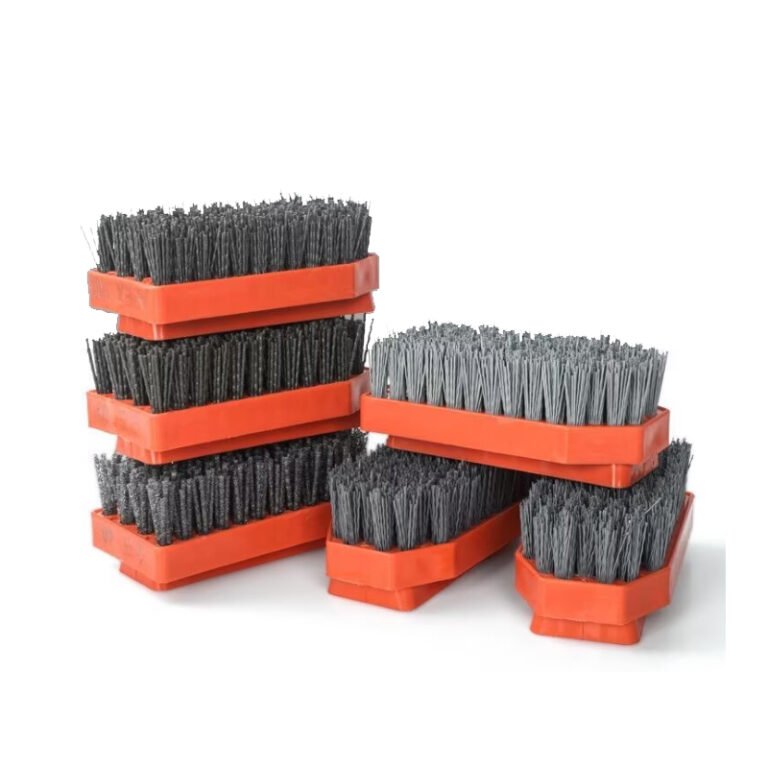
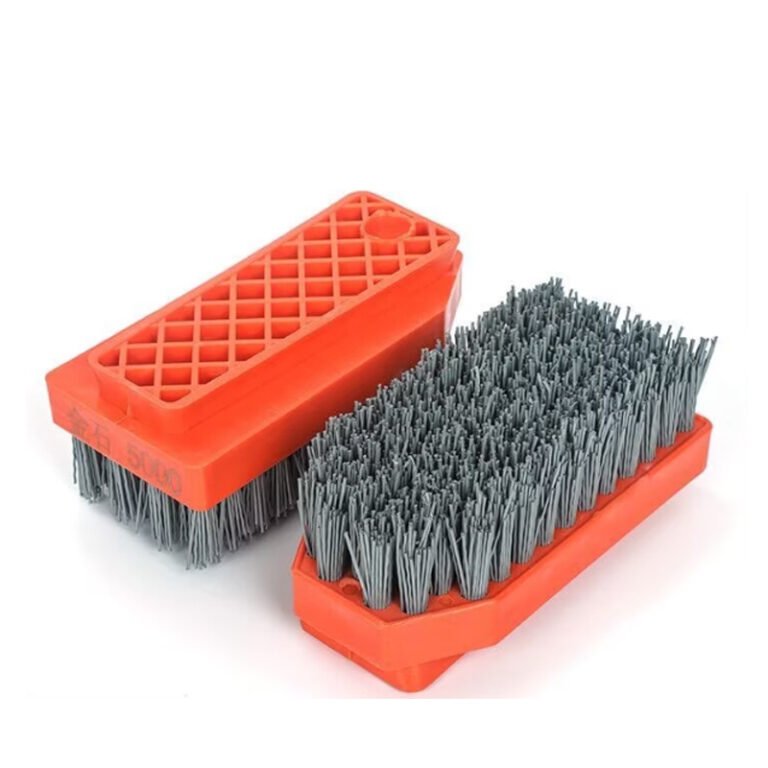
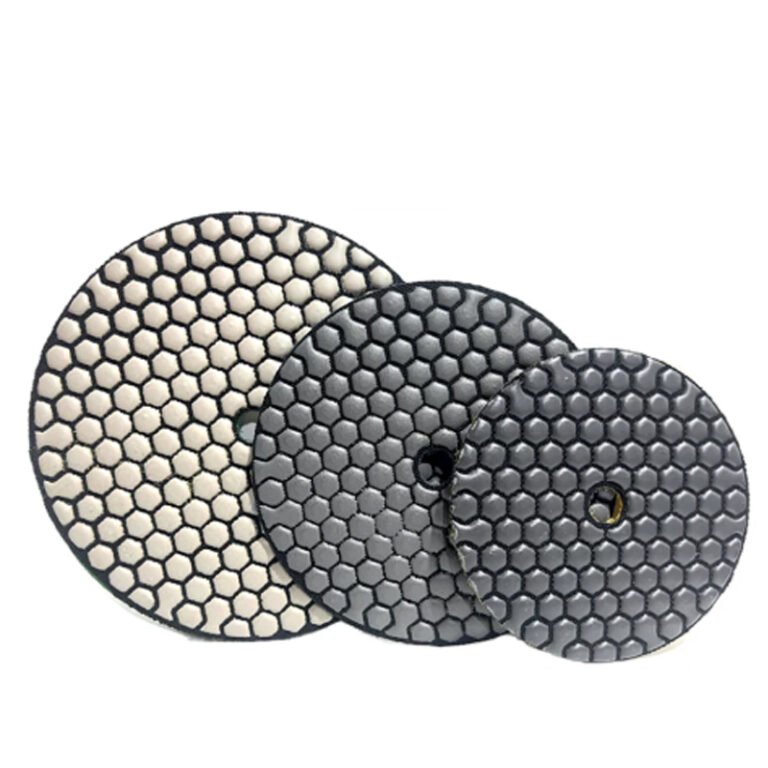
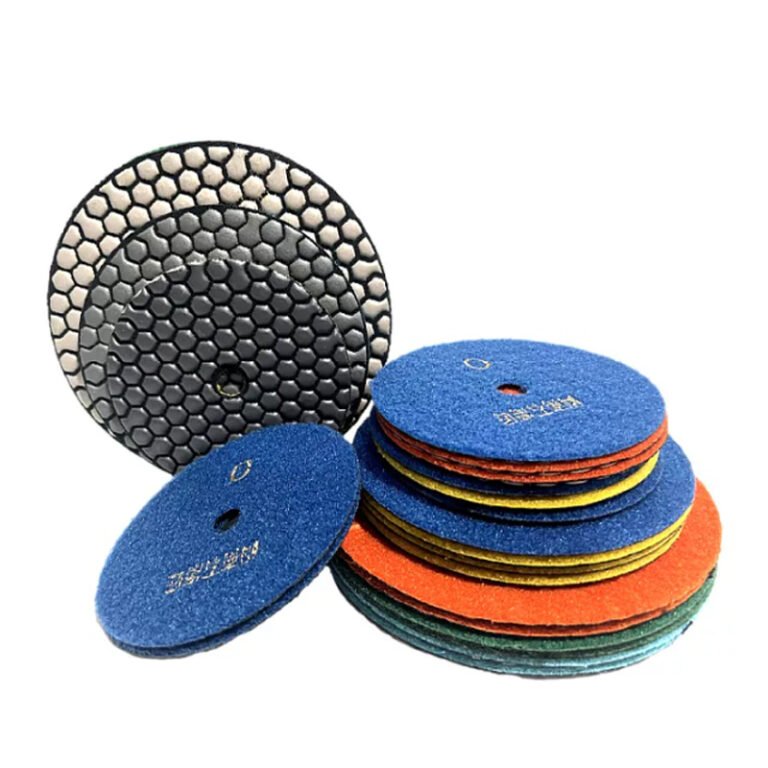
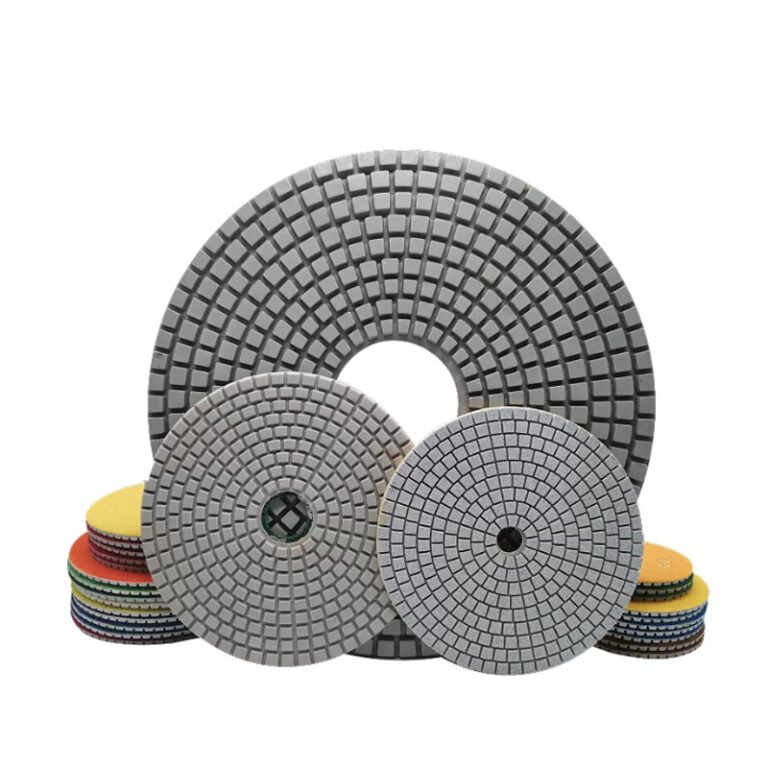
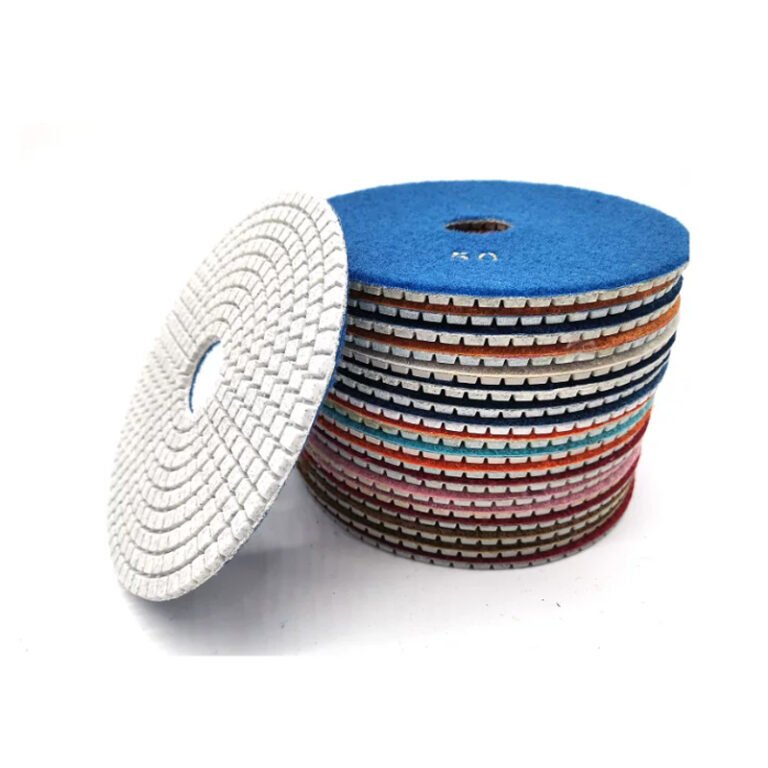
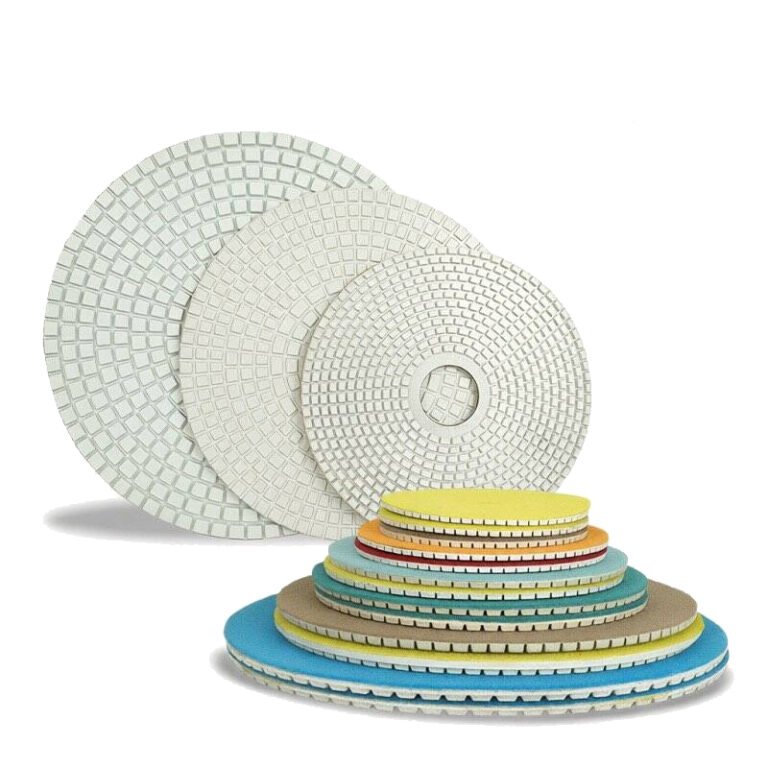
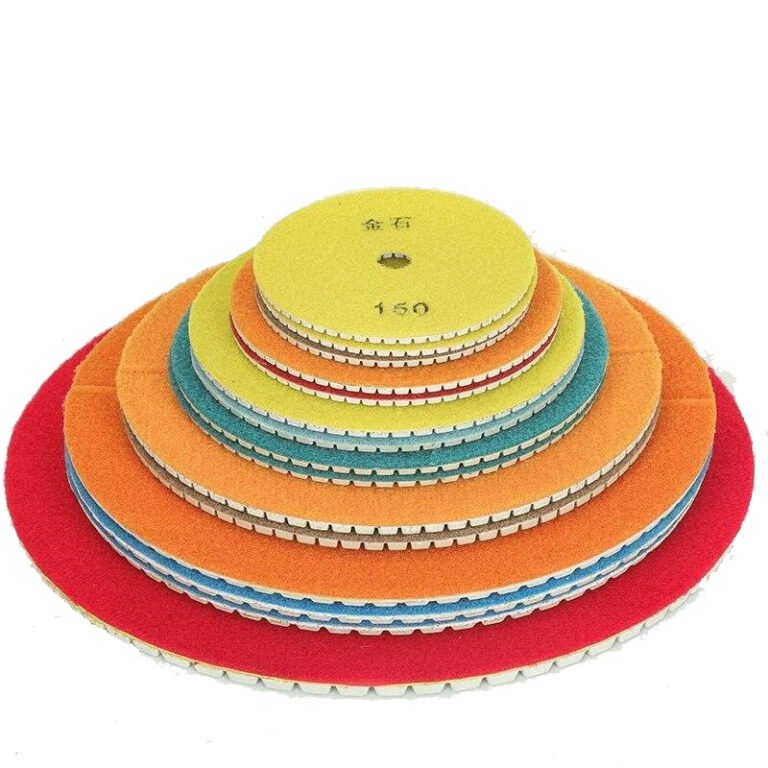
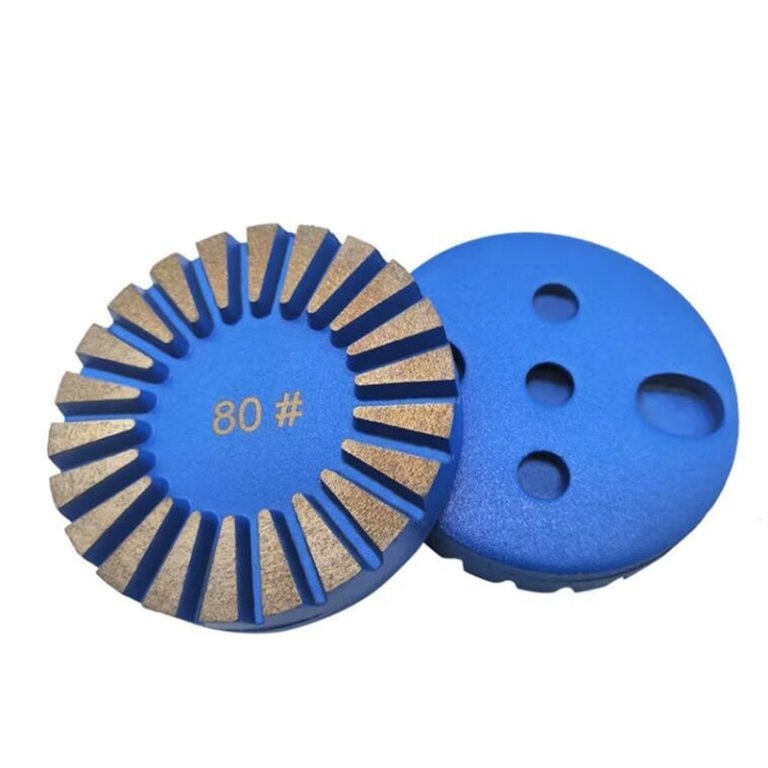
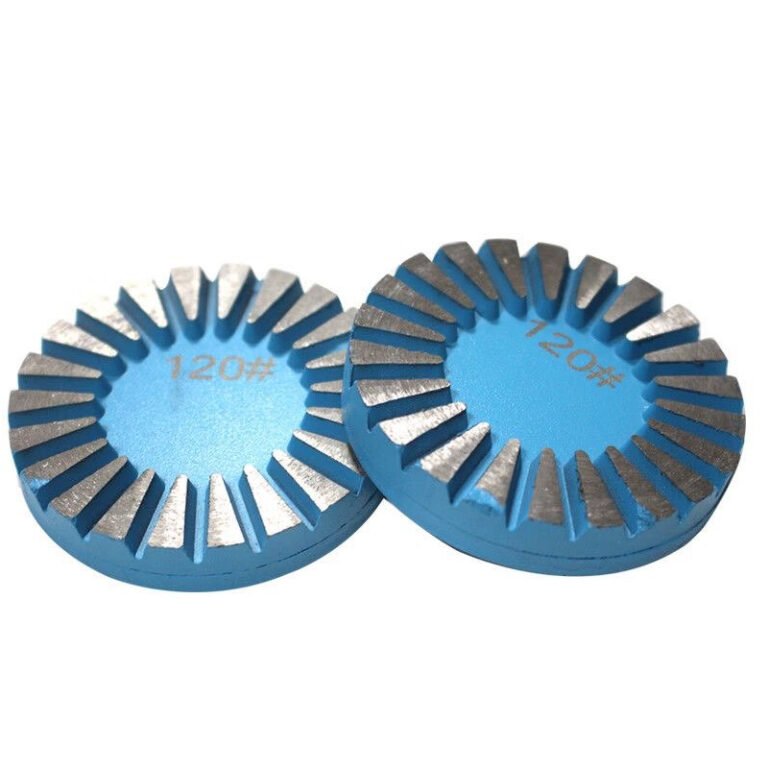
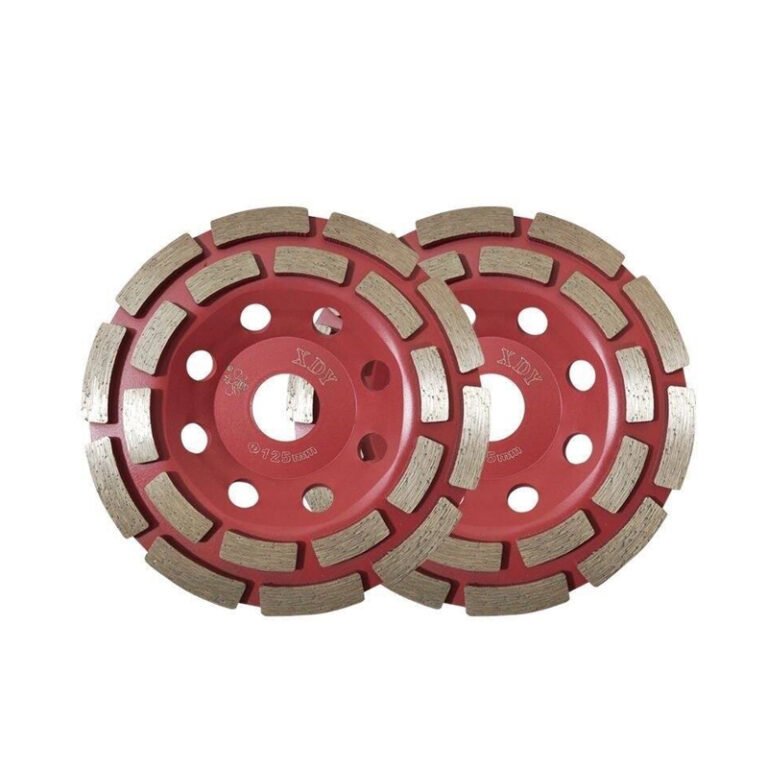
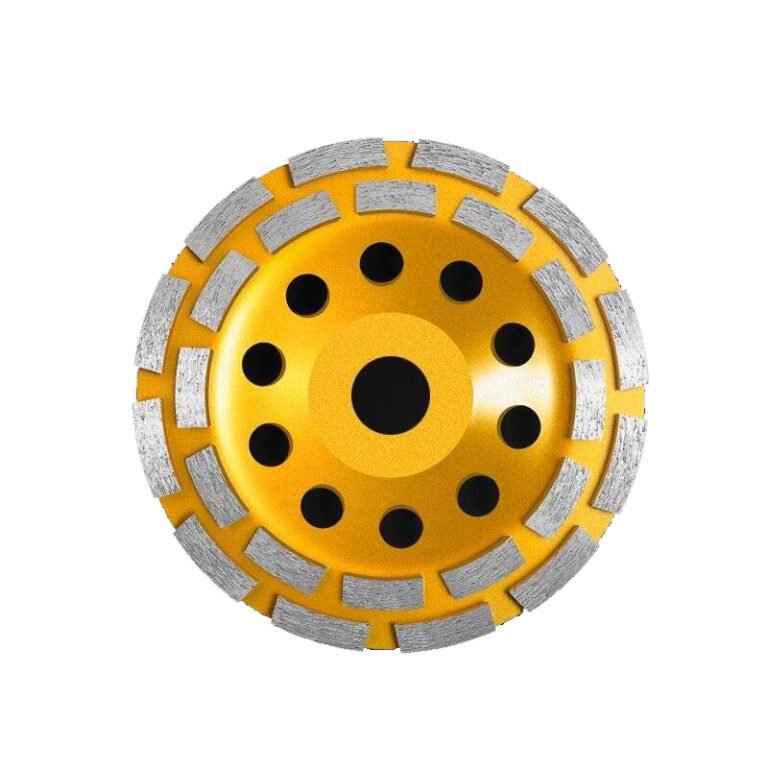
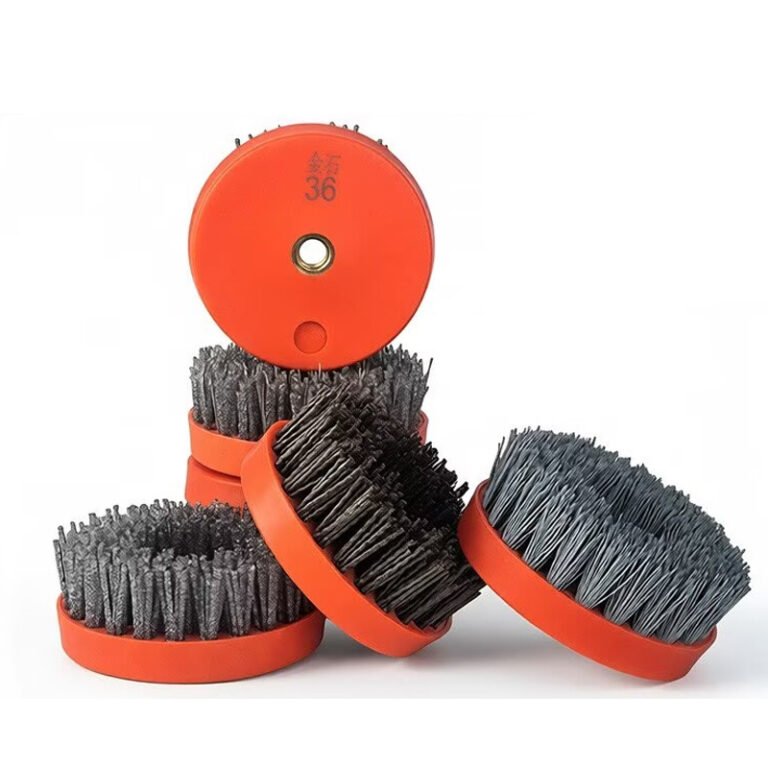
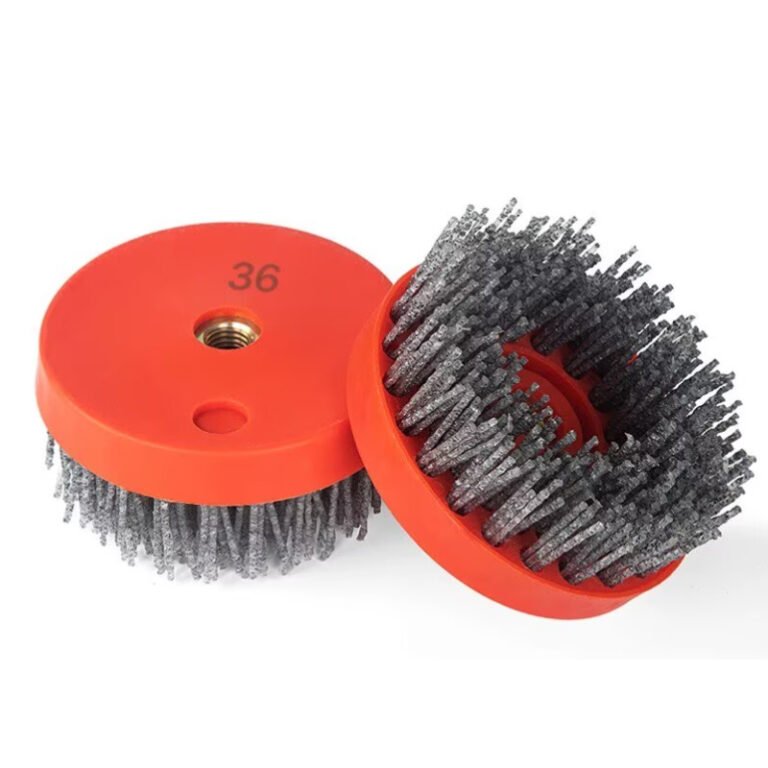
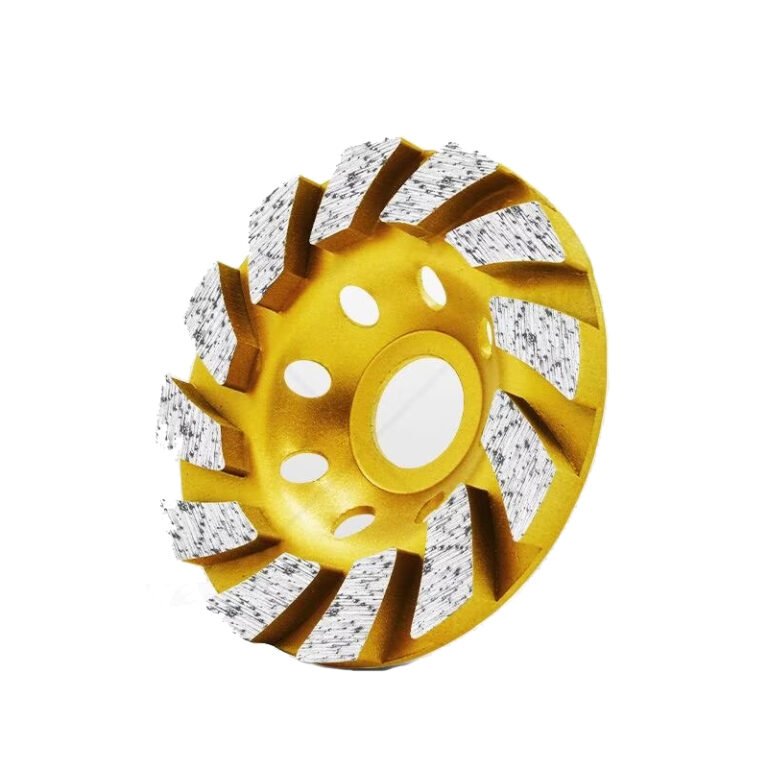
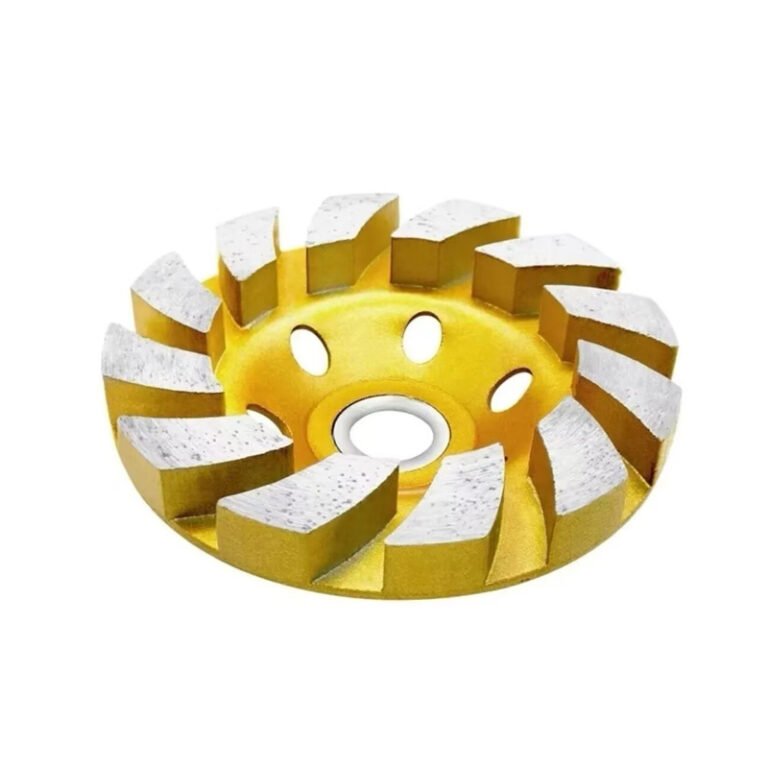
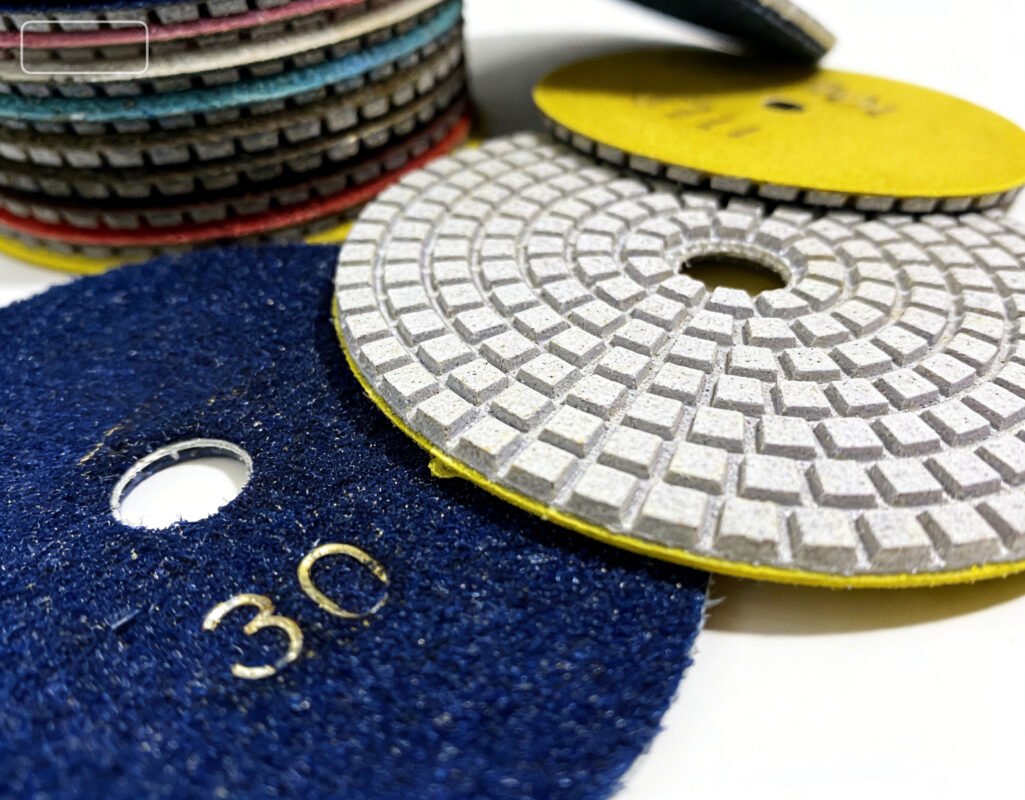
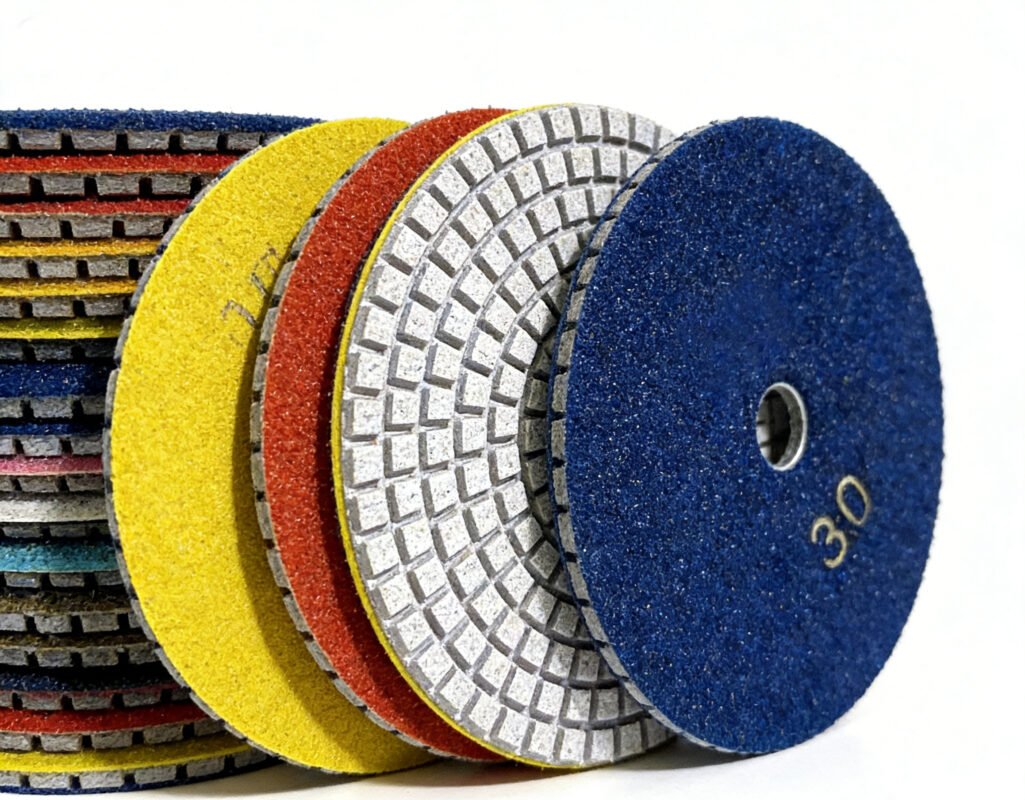
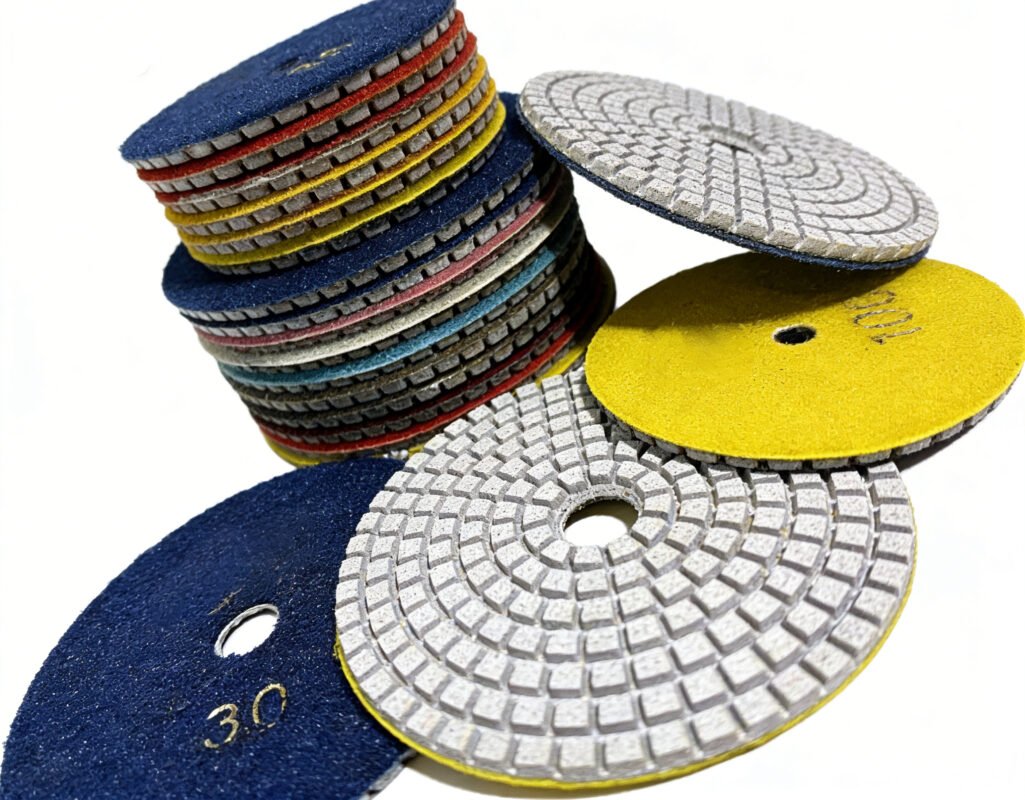
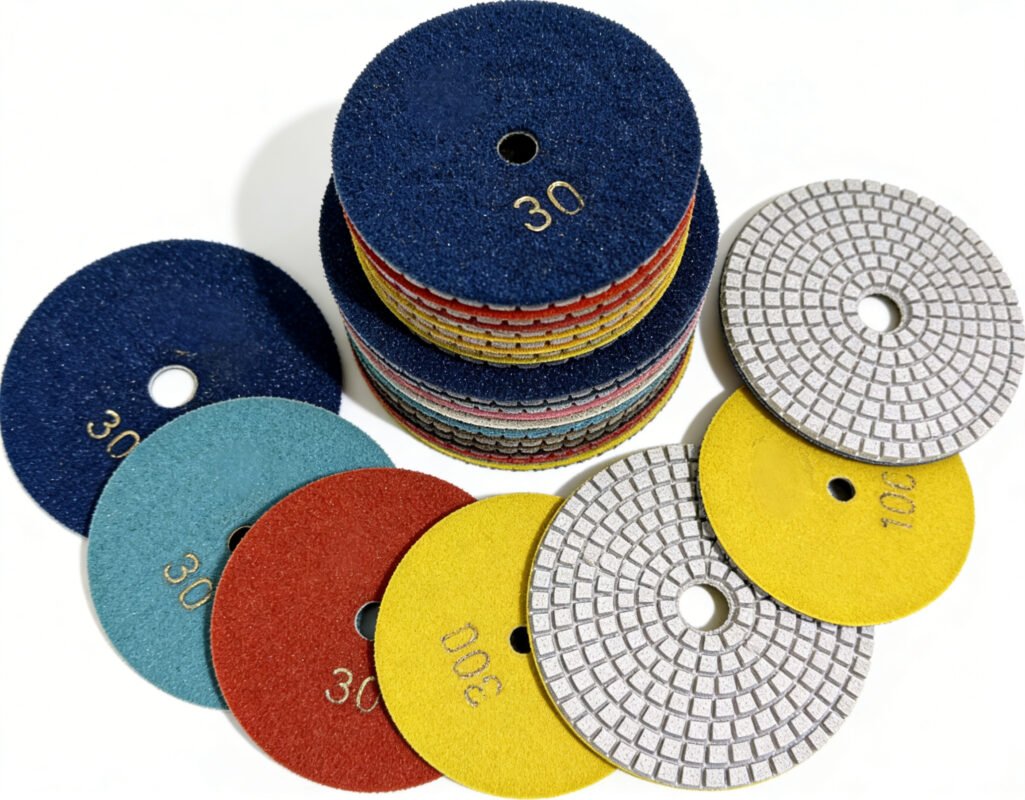
Diamond grinding disc

King of Diamond Polishing Pads

Everything You Need to Know About Diamond Polishing Pads for Global Trade

In the global market of abrasive tools, diamond polishing pads have emerged as a core product, widely used in construction, stone processing, semiconductor manufacturing, and other industries. As an exporter or importer, understanding the product’s features, application scenarios, market trends, and procurement key points is crucial to seizing business opportunities. This blog will break down all aspects of diamond polishing pads, helping you navigate the global trade market with confidence.

1. What Are Diamond Polishing Pads? Core Features for Trade Competitiveness

Diamond polishing pads, also known as diamond flexible polishing pads, are high-performance abrasive tools that combine diamond abrasives with composite materials. Different from traditional polishing tools, their core advantage lies in the superhardness of diamond, which enables efficient grinding and polishing of various hard materials while ensuring long service life and stable performance—key selling points in the global trade market.

Key features that attract international buyers:

– Superior Hardness & Durability: Diamond, as the hardest natural material, ensures the pad can handle high-intensity polishing tasks. Compared with ordinary abrasive pads, diamond polishing pads have 3-5 times longer service life, reducing replacement frequency and cost for users.

– Versatility & Wide Adaptability: They are suitable for polishing various materials such as ceramics, stone (granite, marble), glass, concrete, semiconductor wafers, and precision ceramics. Available in both wet and dry types, they can adapt to different construction environments, meeting the needs of diverse markets.

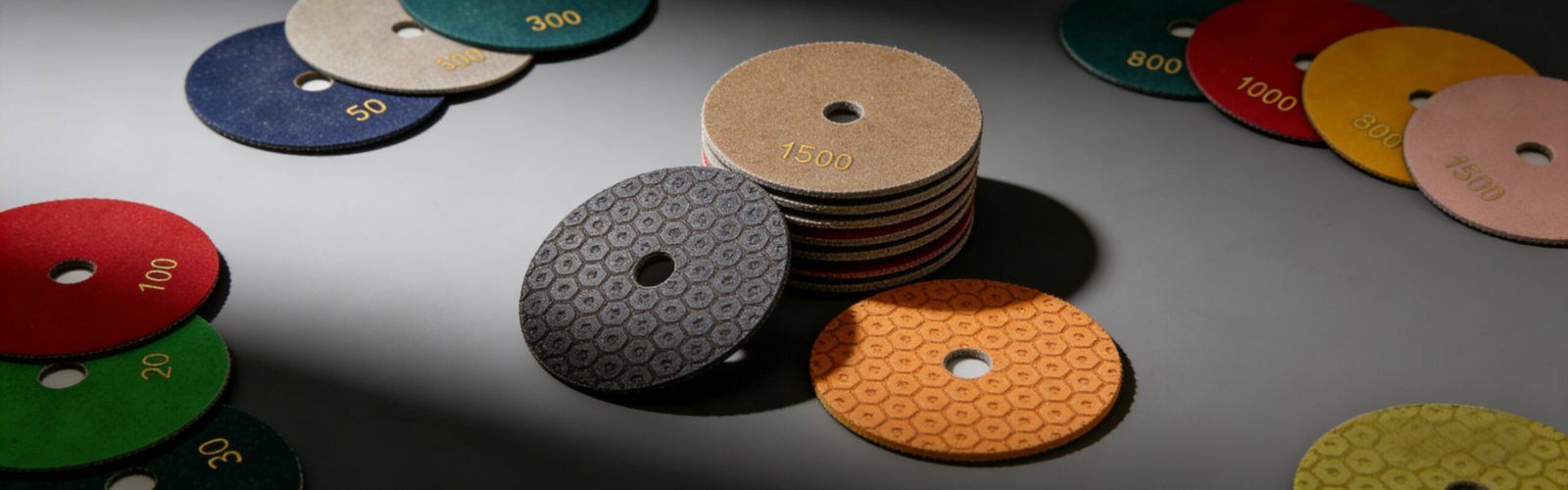
- Precision & Efficiency: With precise grit grading (from #30 coarse sanding to #3000 ultra-fine polishing), they can achieve from rough grinding to high-gloss polishing in one stop, improving construction efficiency and ensuring uniform surface finish. For high-precision fields like semiconductors, they can achieve global planarization with minimal material removal.

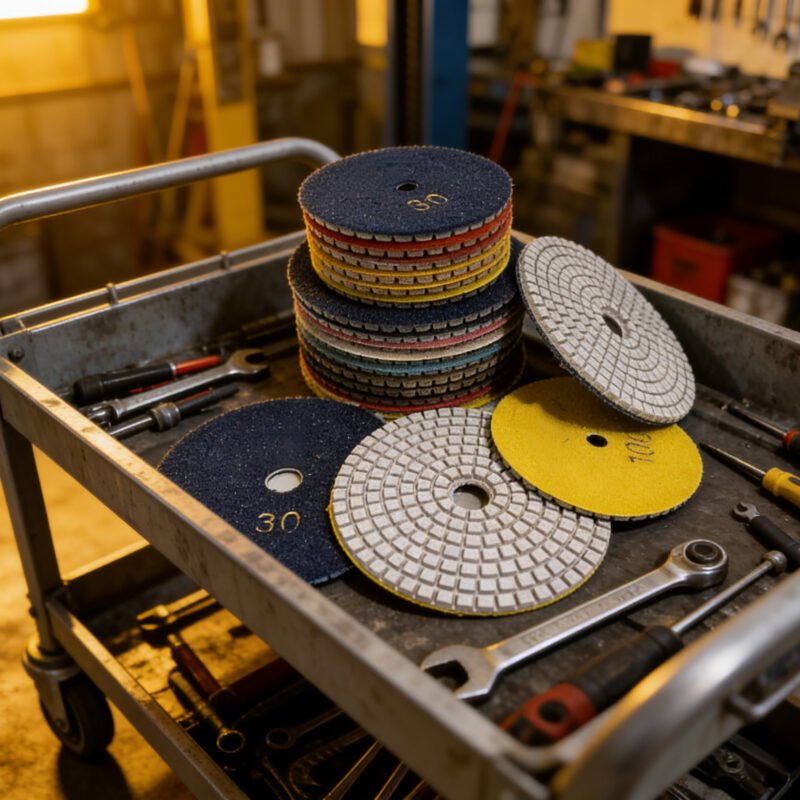
- Easy Operation & Environmental Protection: Equipped with nylon snap cloth backing, they can be easily installed on grinders for seamless operation. The fixed abrasive design reduces abrasive waste, is more environmentally friendly, and the processed workpieces are easy to clean, complying with the environmental standards of European, American, and Southeast Asian markets.

The global demand for diamond polishing pads is closely linked to the development of downstream industries. Understanding the main application markets can help exporters target their promotion and importers grasp market demand. Here are the core application fields driving global trade:

2.1 Construction & Flooring Industry

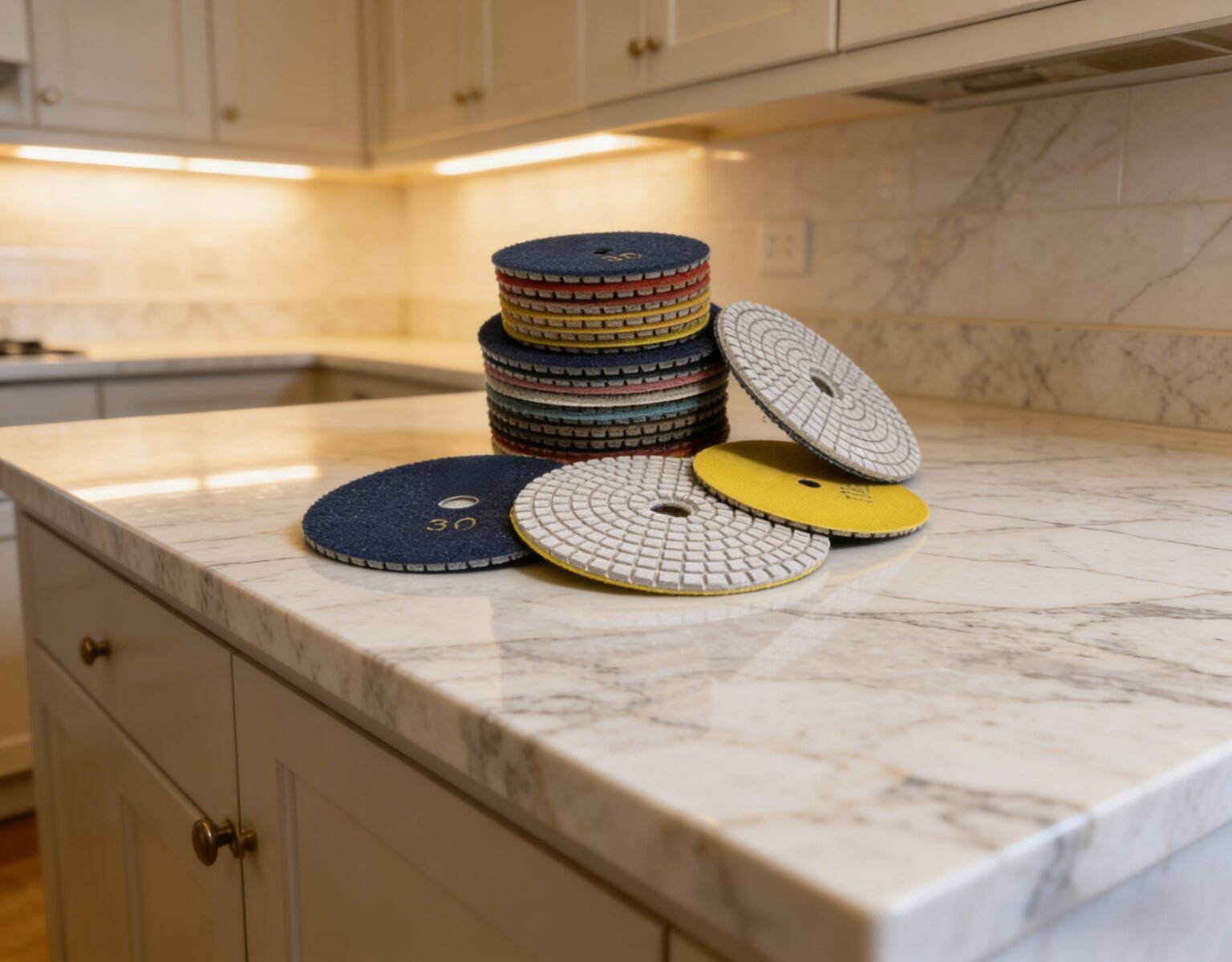
This is the largest application field of diamond polishing pads. In industrial and commercial environments, they are widely used in the maintenance and grinding of concrete floors, logistics warehouses, and underground car parks—polished floors are durable, dust-free, and easy to maintain, which is favored by large-scale projects. In residential and commercial decoration, they are used for polishing stone and ceramic tiles, creating high-gloss and wear-resistant surfaces.

Key markets: Southeast Asia (Indonesia, Vietnam), the Middle East, and Latin America, where construction projects are booming, driving the demand for polishing tools. According to trade data, there are 18 Chinese suppliers exporting diamond polishing pads to Indonesia, with 131 shipments recorded, showing strong market potential.


2.2 Stone & Ceramic Processing Industry

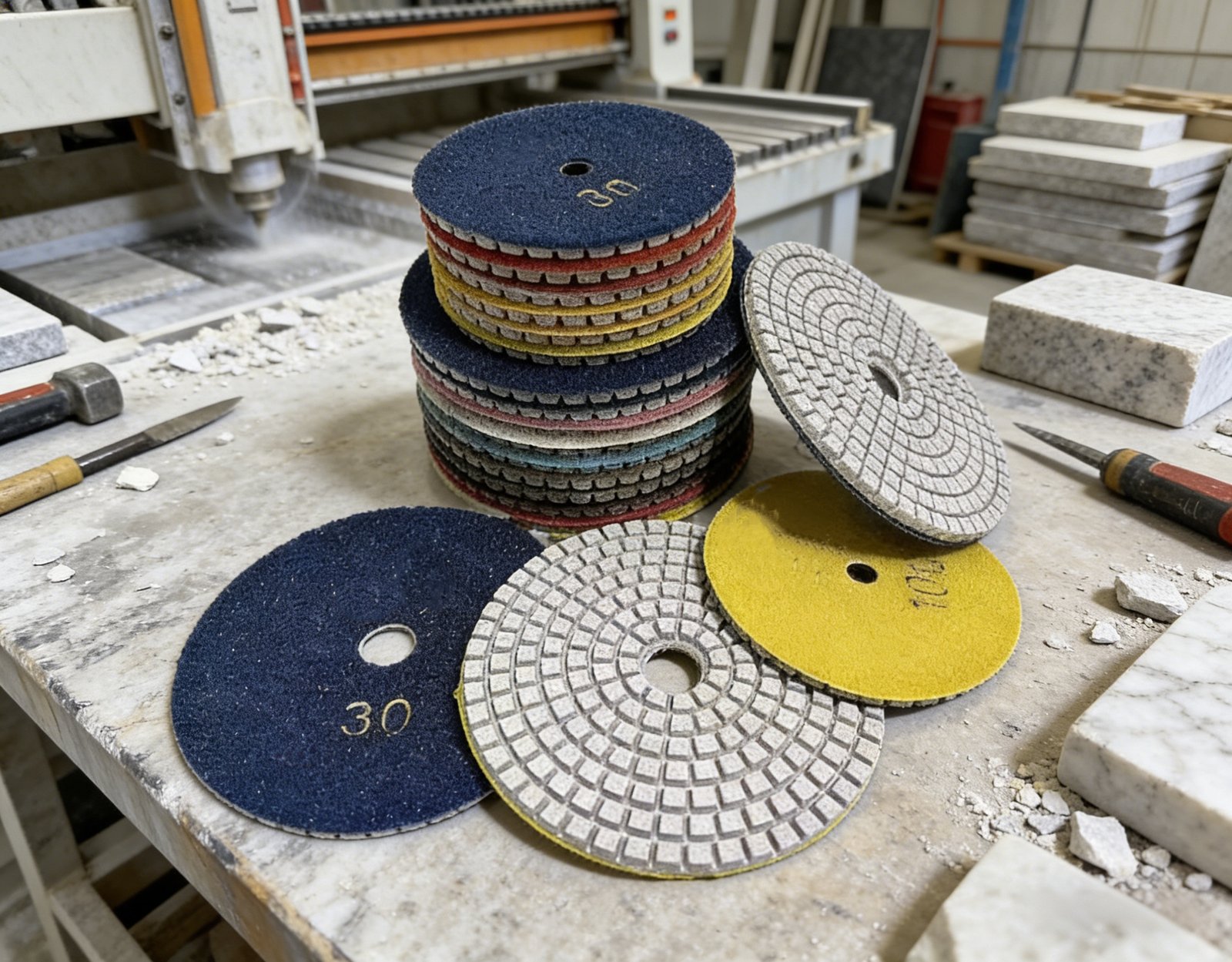
Natural stone (granite, marble) and artificial stone processing require high-precision polishing to enhance product value. Diamond polishing pads can effectively handle the surface of stone and ceramic materials, improving gloss and flatness, and are essential tools for stone processing enterprises worldwide. Innovative resin-metal-bond polishing pads are particularly popular in this field, suitable for the fine processing of marble, granite, and terrazzo.

Key markets: Italy, Spain (traditional stone processing powerhouses), India (a major stone exporter), and China. India is one of the world’s top importers of diamond polishing pads, with 294 export shipments recorded globally, reflecting strong demand in its stone processing industry.

2.3 High-Tech Fields (Semiconductor, Optics)

With the rapid development of the semiconductor and photovoltaic industries, the demand for high-precision diamond polishing pads is growing. They are used for the grinding and thinning of semiconductor wafers (monocrystalline silicon, silicon carbide), optical glass, and sapphire substrates, requiring ultra-high precision and stability. This field has high product added value and is a high-potential market for high-end diamond polishing pads.

发表回复

您的邮箱地址不会被公开。 必填项已用 * 标注