Blog
Five major drawbacks of cordless lithium-ion rechargeable power tools

WUEN TOOL
Power tools
Breaking down the differences between each stage

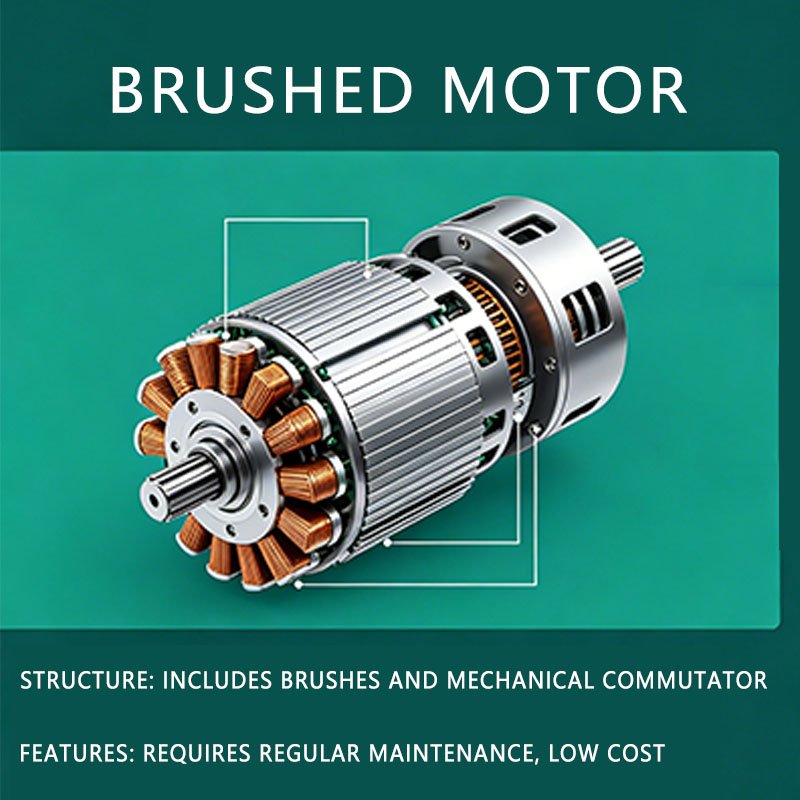
Differences in motors
(Brushed DC Motor)
Advantages:
Low cost, affordable overall tool price
High starting torque, simple control
Compatible with most low-end lithium battery/DC platforms
Disadvantages:
Carbon brush wear, short lifespan, requires replacement
High heat generation, low efficiency, poor battery life
High noise, many sparks, stricter CE/UL certification requirements
Target Markets: Southeast Asia, South America, Middle East budget tool market
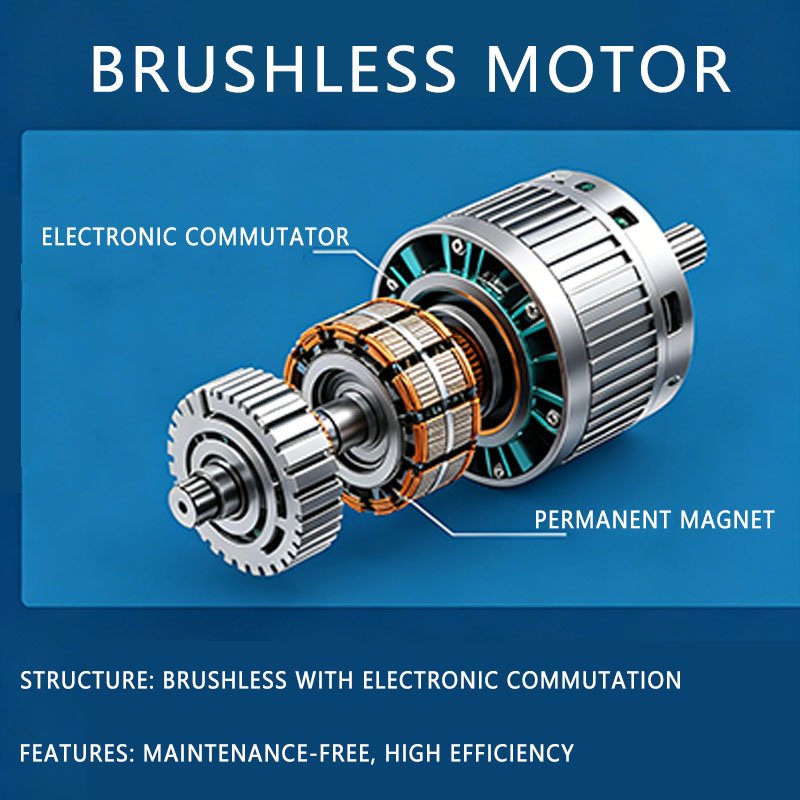
Brushless DC Motor
Advantages:
Brushless, virtually maintenance-free, lifespan 3-10 times longer than brushed batteries; high efficiency ≈ 30%-50% increase in range; low heat generation, low noise, more stable power; better suited for lithium battery platforms, mainstream configuration for overseas brands.
Disadvantages:
Higher controller + motor costs; high requirements for supplier processes, PCBs, and drive solutions.
Target Markets: High-end markets in Europe, North America, Australia, and Japan.
WUEN TOOL
Differences in batteries
The reason why widespread batteries don’t last long
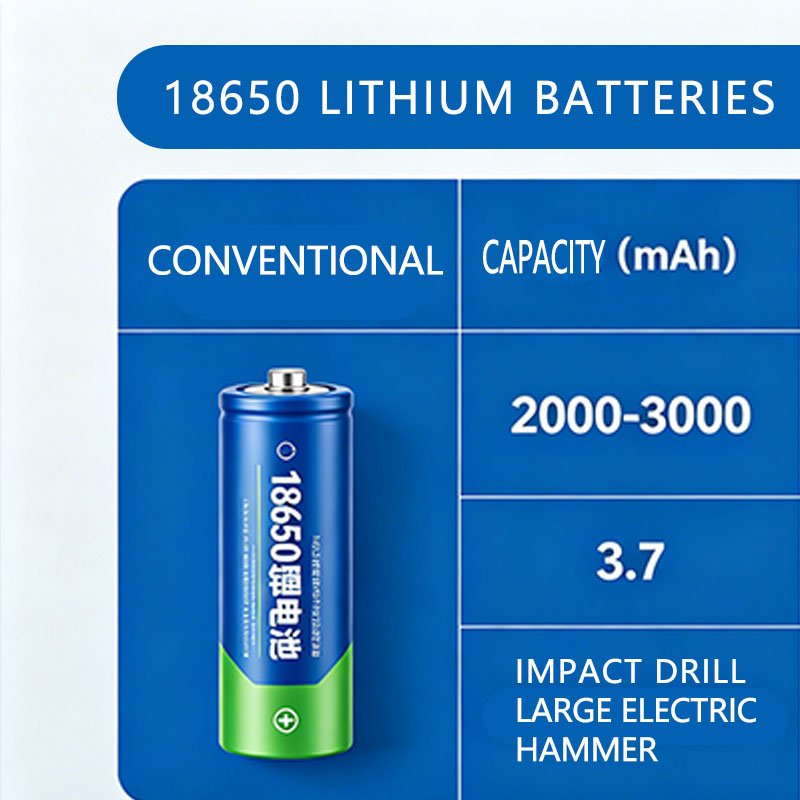
18650 Cylindrical Battery Pack (Economy Type)
Structure: Multiple 18650 cells connected in series and parallel
Cost: Low, widely available
Energy Density: Average
Heat Dissipation: Poor, prone to localized overheating
Consistency: Average, uneven degradation
Cycle Life: 300–600 cycles
Weight: Relatively heavy
Suitable for: Entry-level, brushed tools, budget-friendly export models
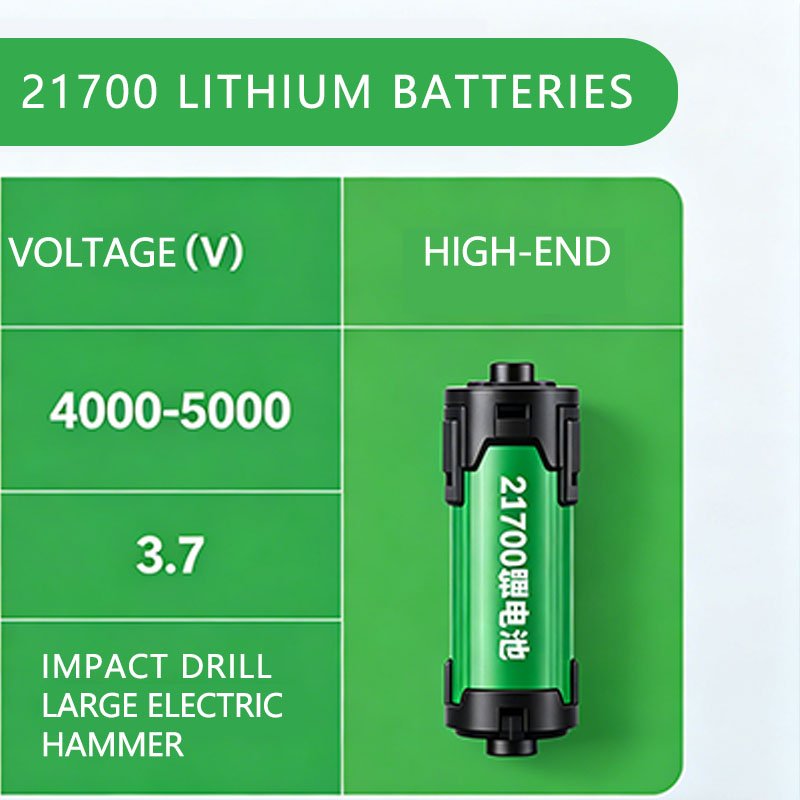
21700 Power Stacked Cells / Large Square Cells (High-End)
Structure: Single large-capacity cell + integrated PACK
Cost: Higher
Energy Density: Higher, lighter and smaller
Heat Dissipation: Excellent, lower temperature rise
Consistency: Good, stable discharge
Cycle Life: Over 1000 cycles
Weight: Lighter
Applications: Brushless motors, professional-grade, high-end export tools